
Night of the Body Snatcher:
McCallum vs Jackson
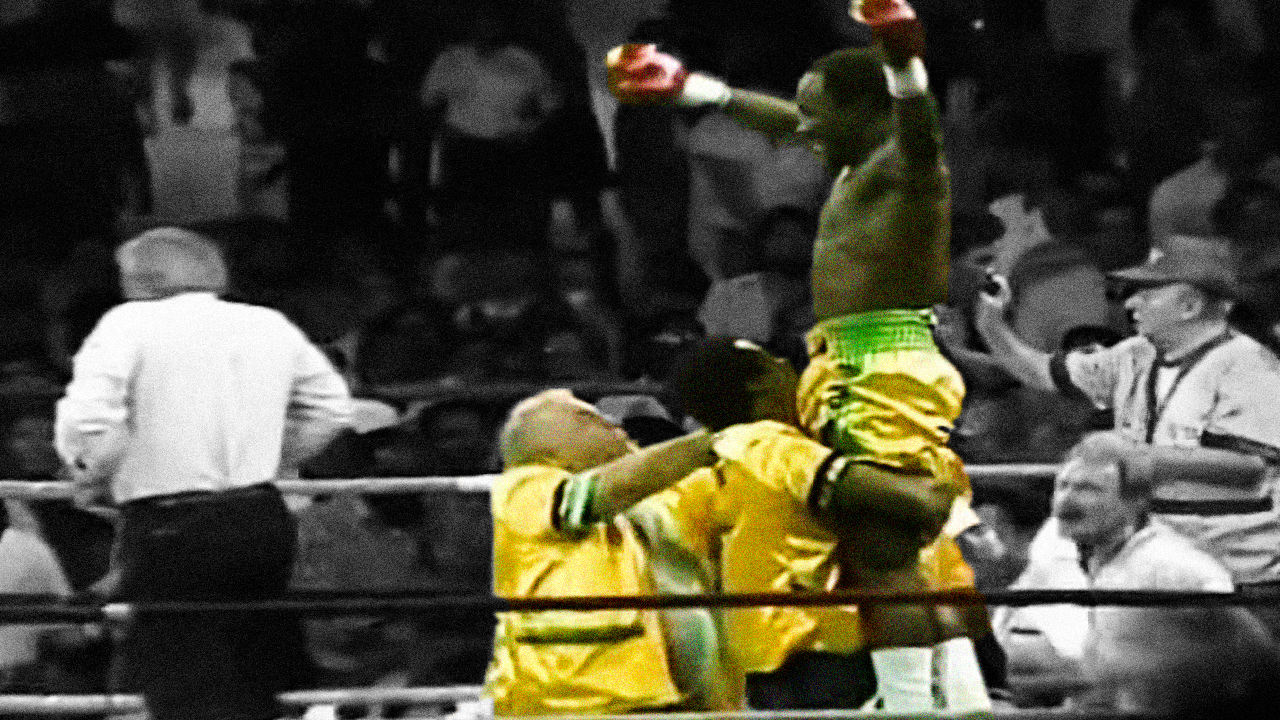
There are two reasons you might know Mike McCallum’s name. Firstly, he was one of the best body punchers in the game. Certainly you aren’t going to get the nickname “Body Snatcher” in professional boxing unless you are going to the midriff with ferocity and regularity. Secondly, Mike McCallum is called one of the most avoided fighters in boxing.
Whenever you start talking about “ducked” fighters, you can never really get much beyond he-said, she-said but McCallum contended that the Four Kings—Hagler, Hearns, Leonard and Duran—avoided him. All we can say is that McCallum was among the best in the world, and he seldom got the biggest fights. McCallum got to fight for the vacant WBA super welterweight belt in October 1984 because Roberto Duran opted not to defend it against him, but Duran was doing that in order to go up to middleweight and fight Marvin Hagler for all the belts, all the prestige, and all the money. If McCallum was ducked by the Four Kings, it was because his risk : reward ratio never made sense. He was too good and brought too few eyes to the fight.
McCallum’s trouble landing the biggest fights stateside did have one interesting side effect, he was willing to travel. This meant that when he went up to middleweight in 1988 and won the WBA belt, he was able to transpose himself onto the booming British and Irish middleweight scene. This was the era of Eubank, Benn, Watson and Collins, and while they always talked about fighting James Toney and Roy Jones through the early nineties, McCallum was the one American champion willing to give the European fighters a shot. He faced Herol Graham (possibly the best British fighter to never win a world title), Steve Collins and Michael Watson, beating all three. When Collins’ went on to two wins over Eubank and Benn, and Watson fought two hard fights with Eubank, McCallum’s work against both served as an answer to the US vs European middleweight debate. McCallum added to the conjecture by having two excellent fights with James Toney in 1992, around the time that Toney was declaring there were “no fighters in England, they’re all bums.”
The Hawk
One of Mike McCallum’s masterpieces was his victory over Julian Jackson at super welterweight in 1986 when Jackson was an undefeated prospect with a 29-0 record and 27 knockouts. Jackson was already recognized as a sensational hitter, though pundits did not realize the young man they were watching would go on to be regarded as perhaps pound-for-pound the greatest puncher of all time. On a slow afternoon it is always worth pulling up a Julian Jackson highlight to watch him deliver knockout after show-stopping knockout with blows that just look like normal, well balanced punches. Jackson was leaving fighters on the deck with their eyes rolled back, and he did not even look like he was straining.
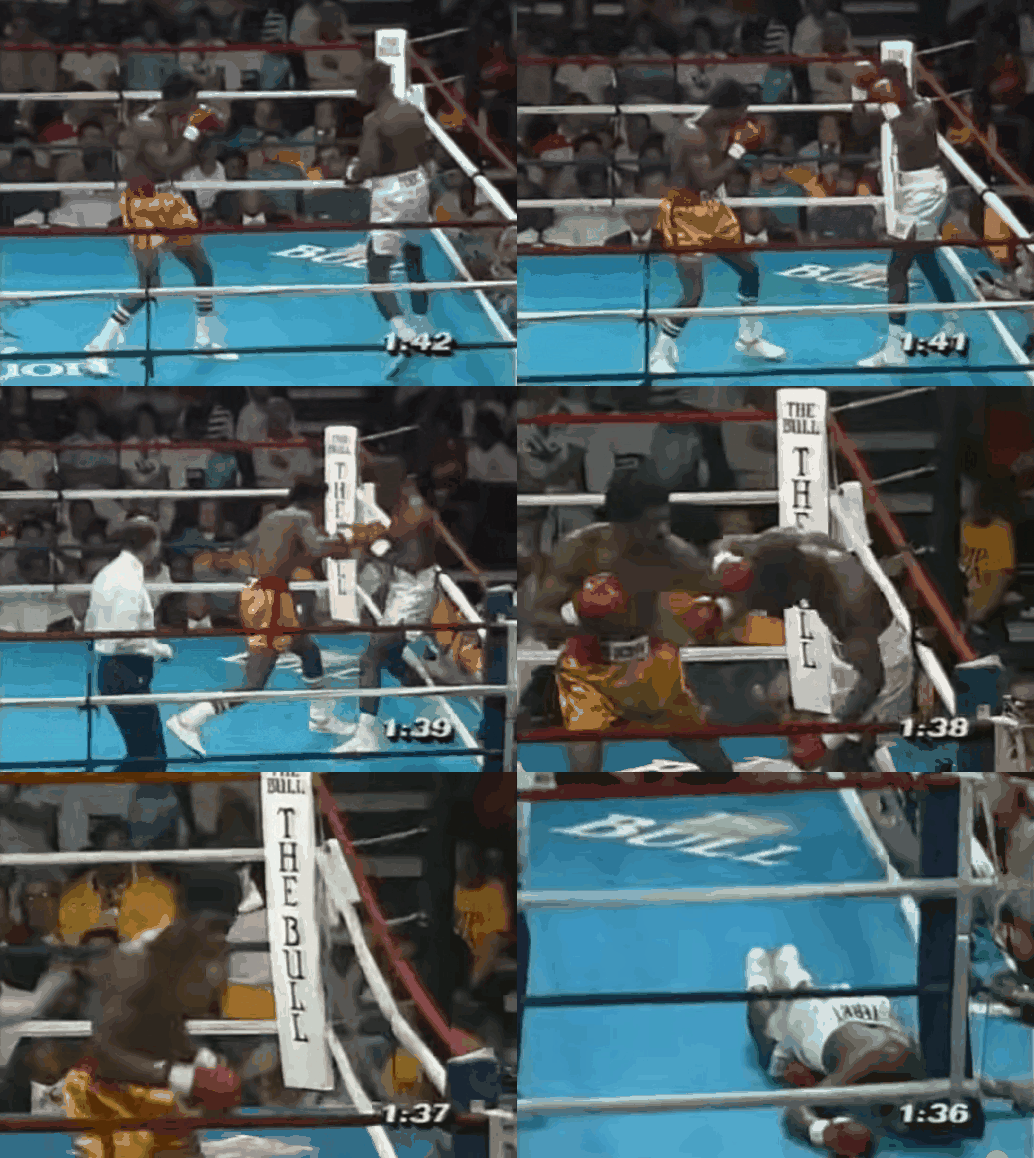
Mike McCallum was defined by his toughness, his defence, his bodywork, and his willingness to take risks to land his counters. His fight with Julian Jackson lasted just two rounds, and he showed every one of these traits as if he were performing a tech demonstration.
The theme of the fight was McCallum’s eagerness to draw Jackson’s booming right hand, in order to counter it. From the very first exchange, McCallum put up a forearm block, ducked below the overhand, and returned with a right uppercut to the beltline.
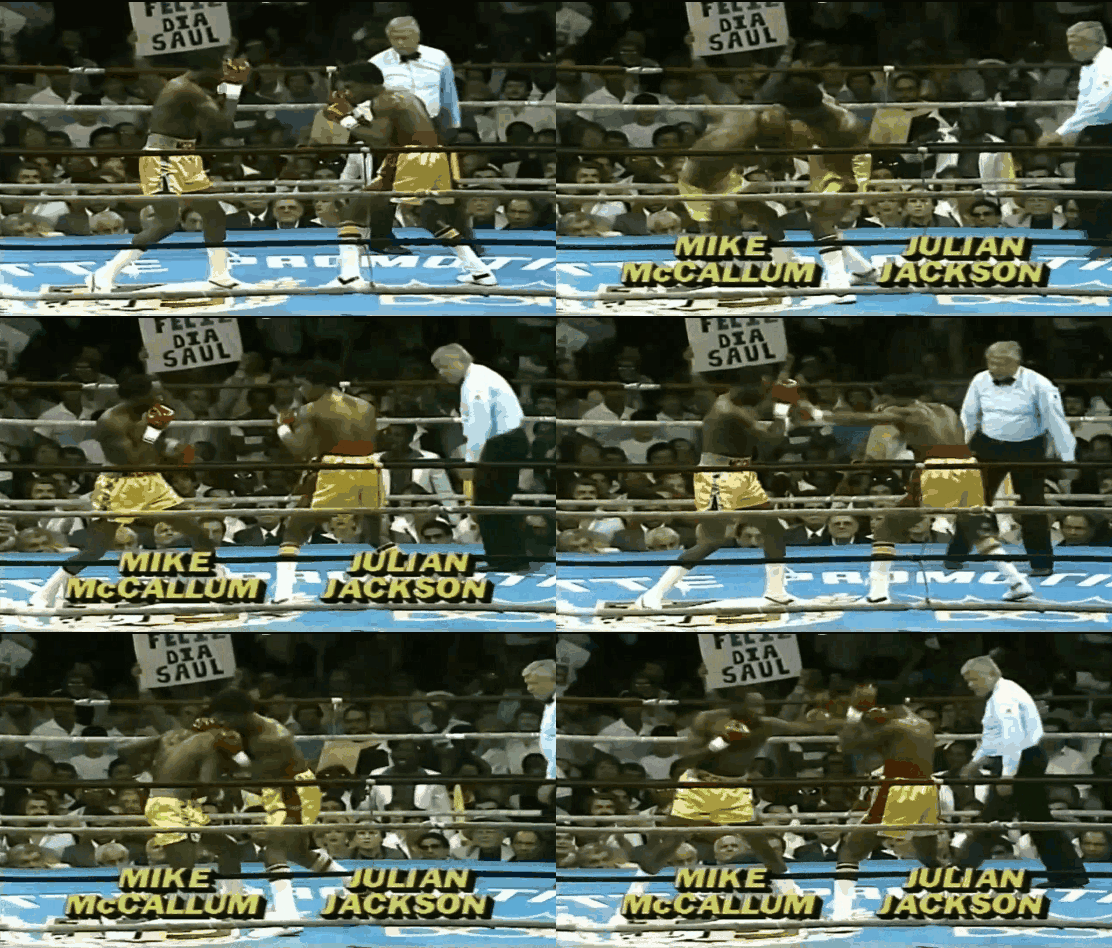
It was this punch, more than any other, that made McCallum “The Body Snatcher.” The right uppercut to the body is cumbersome. Despite seeing it in a thousand movies, most people gravitate away from it the moment they get some training and learn how much they are exposing themselves for a body shot that doesn’t typically have the one-punch knockout potential of the left hook to the liver.
In a classical infight or forehead-to-forehead, pumping uppercuts to the body with both hands is normal, but in a dynamic exchange out in the open, the right uppercut to the body is not the punch of choice for many fighters. There is also a great chance that if you throw it from directly in front of the opponent you will hit his elbow.
McCallum’s right uppercut to the body shared its DNA with that of Roberto Duran. We have discussed Duran’s jab-and-dip at length elsewhere, but to briefly put the uppercut in context Duran’s jab was always followed by some form of head movement, to put him in position to capitalize if the opponent’s jab came back immediately. He might slip to his left and return with the left hook to the liver, or to his right and return with a right hand across the top of his opponent’s jab from outside of their shoulder. The right uppercut to the body came in when Duran jabbed and pivoted out to his left behind his left shoulder. If the opponent tore off a right hand, Duran shoulder rolled it and returned with his right to the body.
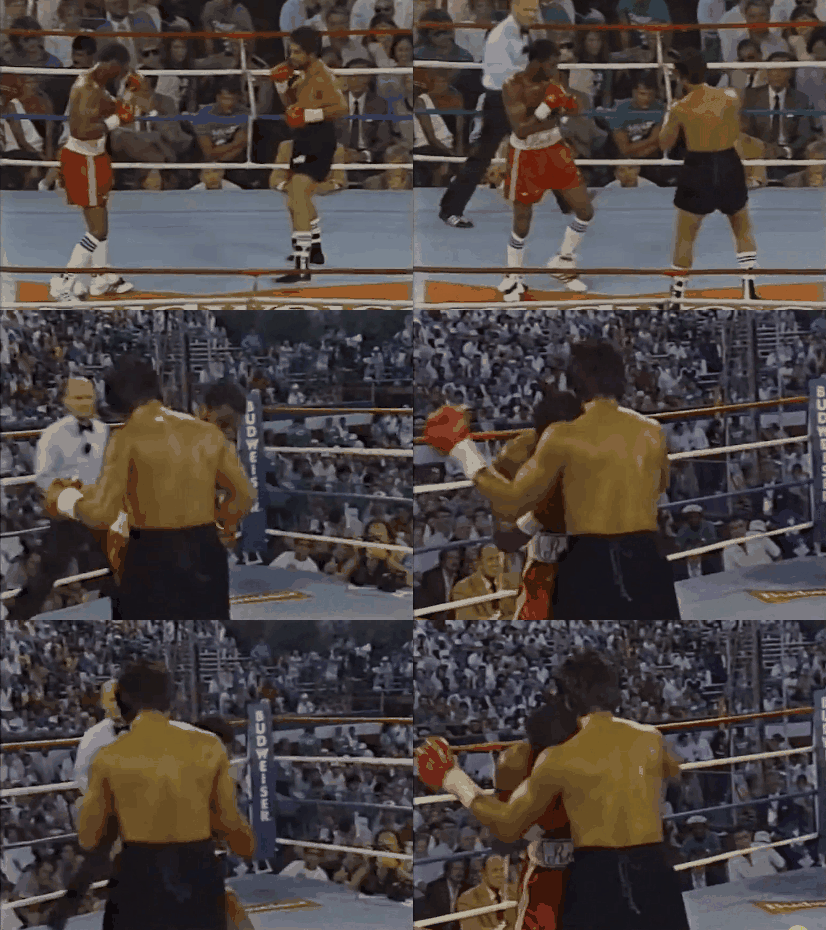
The above example against Robbie Sims might be called a hook as much as an uppercut, but the point the vulnerability that Duran has drawn out. By drawing the opponent’s right hand, he squares his opponent up and provides access to the centreline for the uppercut. This is the time to hit that “uppercut under the heart” that the old accounts of the London Prize Ring make reference to.
McCallum’s right uppercut to the body slotted into a larger game of drawing the opponent’s right hand by jabbing clockwise around them. This is a look that you will see in a lot of Kronk Gym and Eddie Futch trained fighters. Even going back to Sugar Ray Robinson and his safety lead, there is gold to be had if you can navigate circling around to the opponent’s right while carefully monitoring when you are close enough to be hit with it.
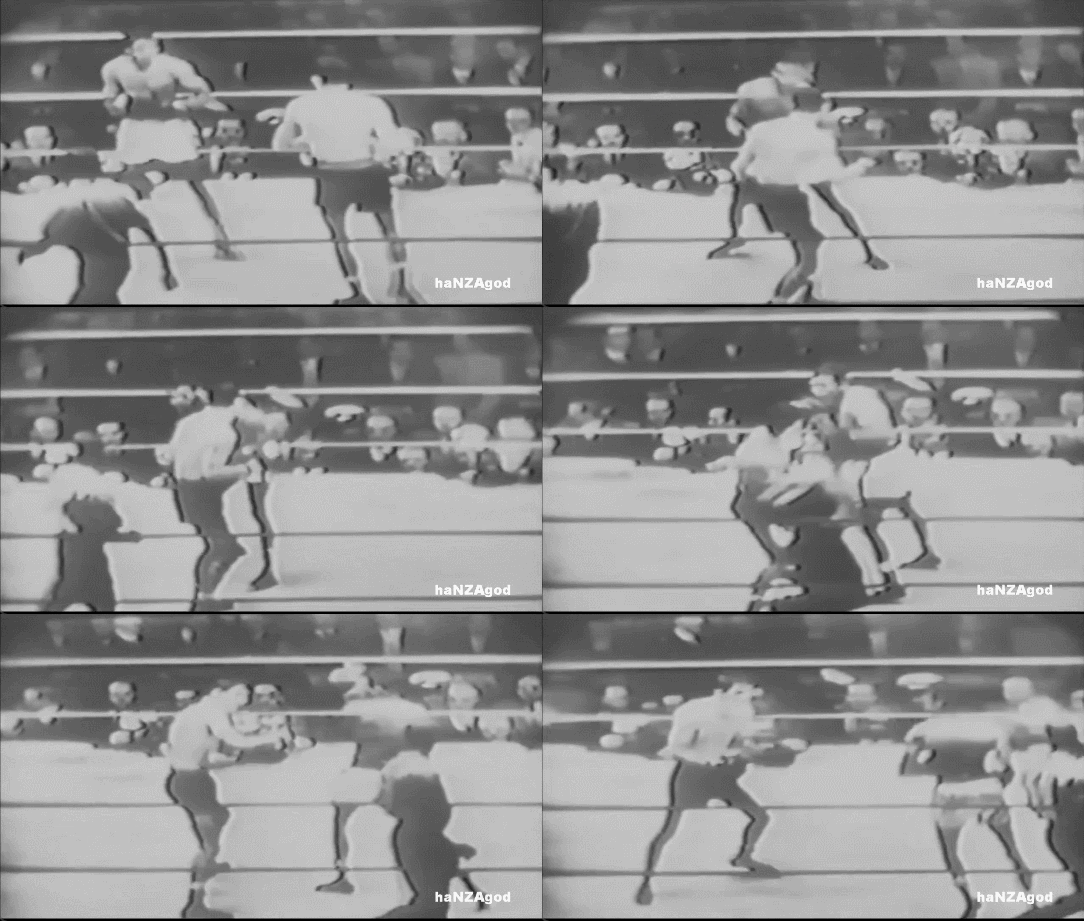
Here you can see McCallum getting close enough to give an adequate jab to Jackson’s eye, but keeping control of his weight by constantly pushing himself back off his lead foot. The moment that Jackson pitches the right hand, McCallum lets it fall short.
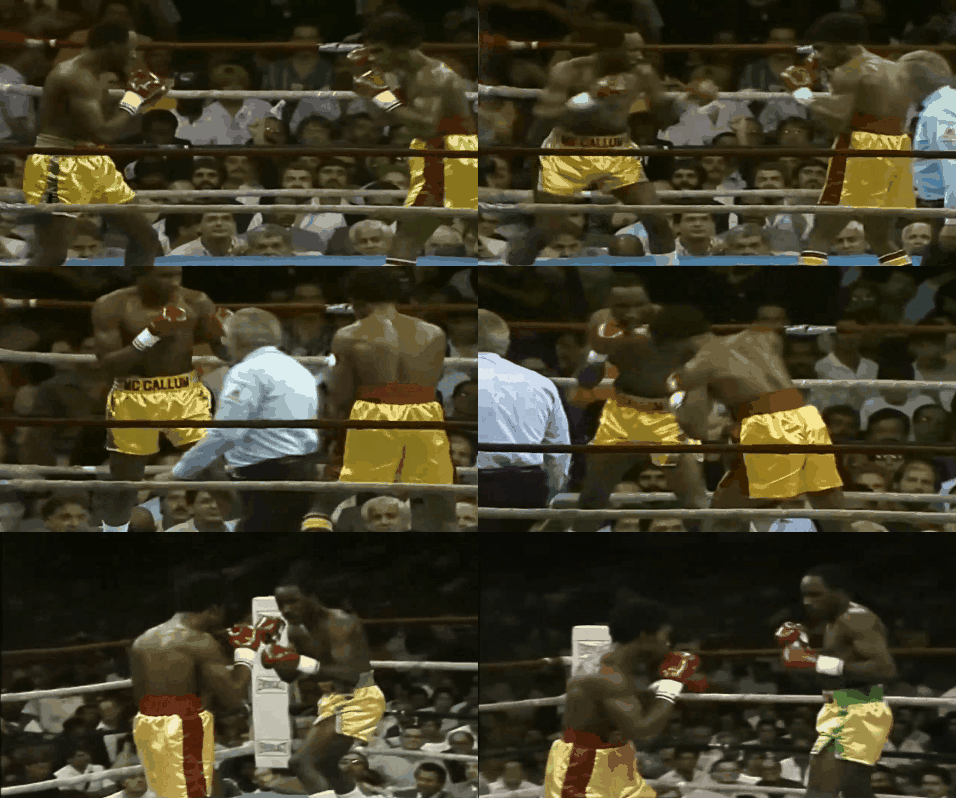
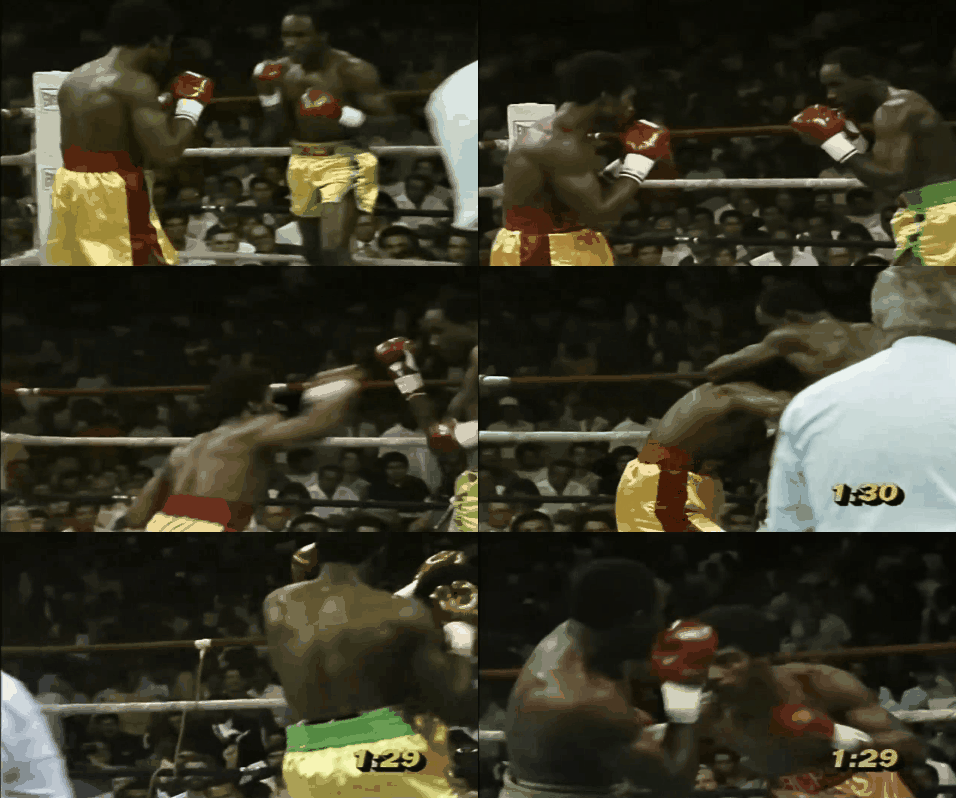
Offensively there are plenty of follow ups to jabbing around an opponent like this. In Ilia Topuria: The V-Step, the Shoulder Roll and the Pivot we briefly mentioned Sugar Ray Robinson using his safety lead and jabbing around the opponent in order to set-up his terrific left hook.
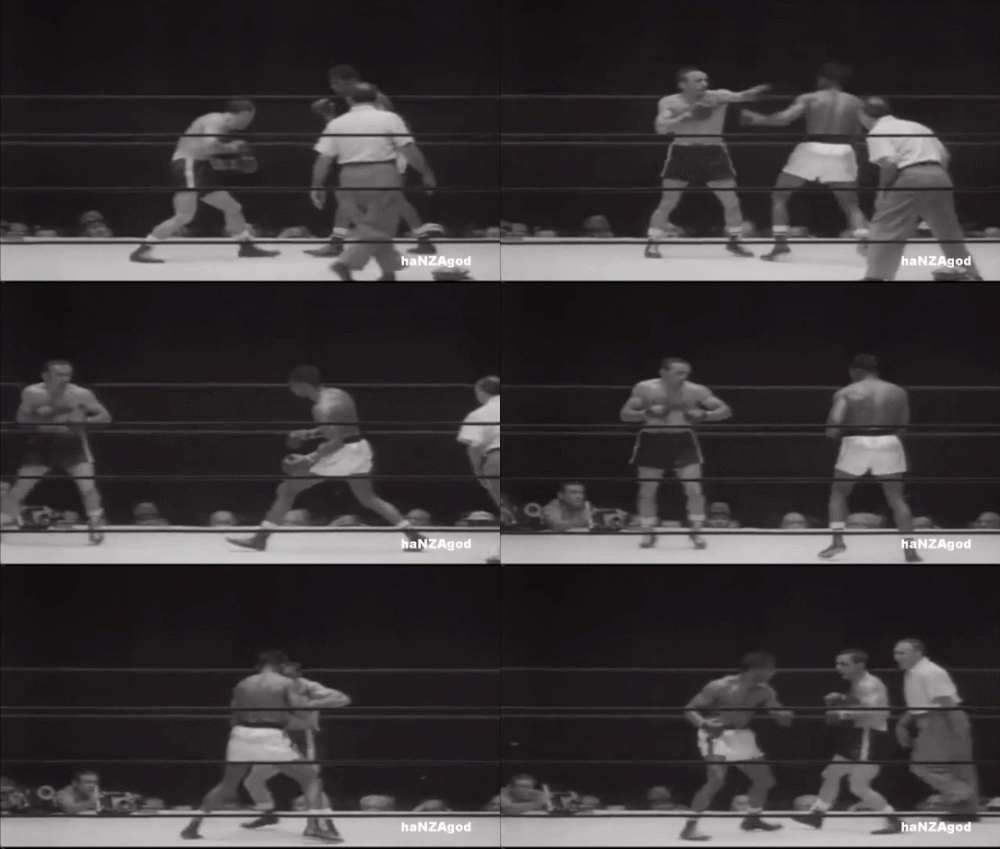
Here is an example of Robinson going low with his body jab, pivoting around, and swinging in a left hook on his opponent.
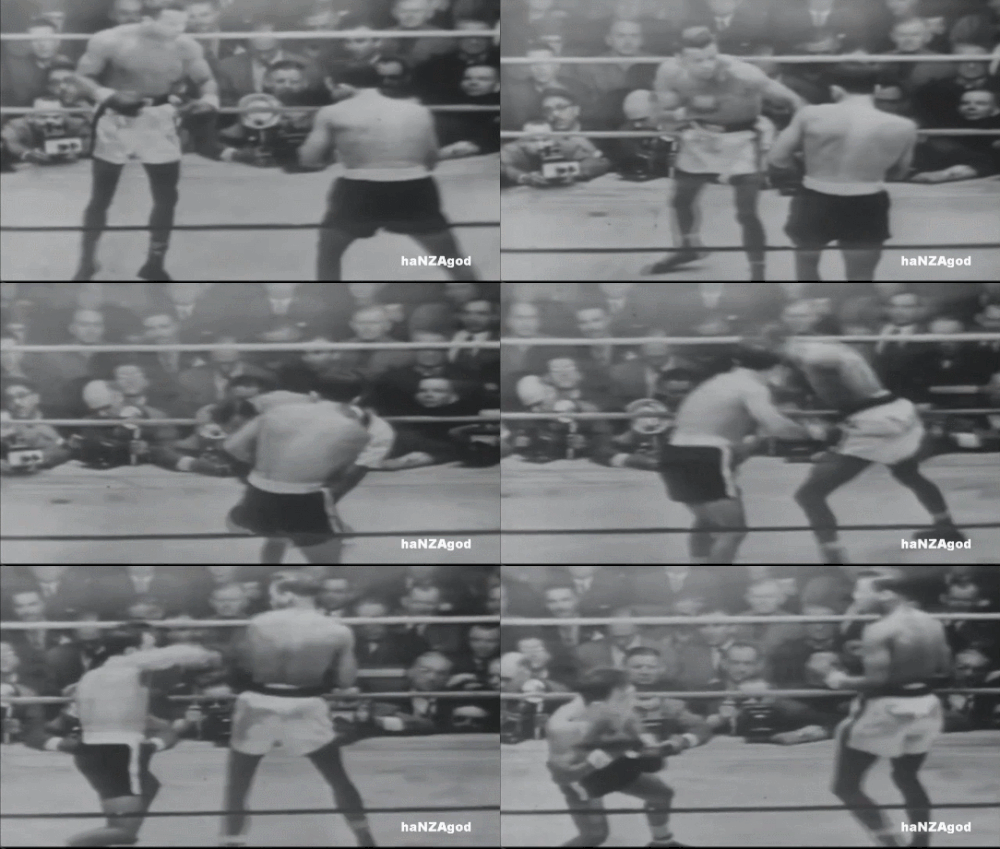
And here is an example of Robinson changing the pattern of circling left and jabbing by stepping out and rebounding off his left foot to land his left hook.
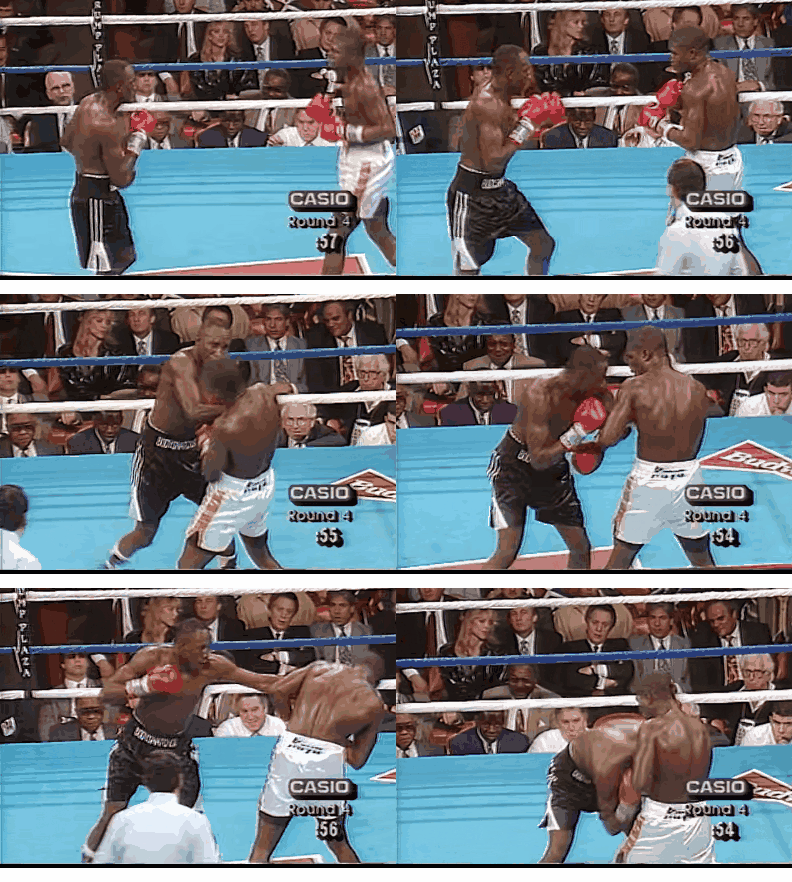
The much simpler and more obvious follow up to clockwise jabbing is to extend a double or triple jab into a right hand. Mike McCallum did this in most fights throughout his career, if he felt he could push his advantage against a cagey opponent. Surprisingly this worked well in his fights with James Toney, a man you would think impossible to catch with a simple 1-1-2.
Here the double jab forces movement out of Toney, and eventually Toney has to recover his position, but he does so just as the right hand hits him clean in the face.
The Toney - McCallum bouts are a fascinating study because both men are laser-focused on countering the other’s right hand. Toney always with a pool cue right straight, but McCallum mostly with a right uppercut to the body. Each exchange plays out like a chain reaction of counters set off by the first right hand thrown.
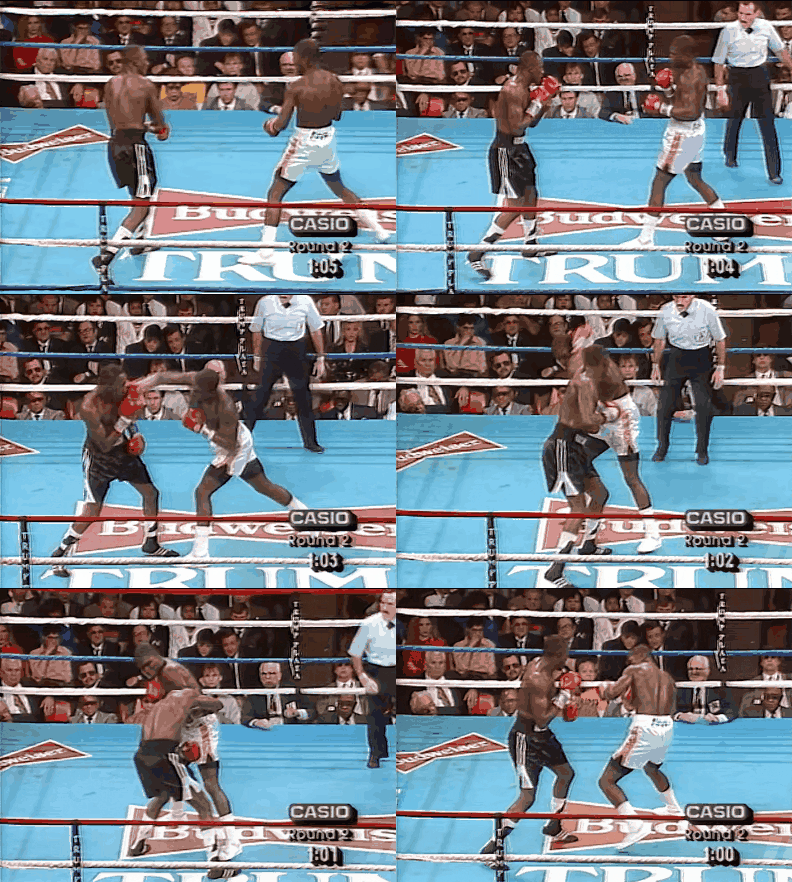
Here McCallum’s clockwise jabbing draws a right hand, which he ducks and counters a little slowly with an afterthought right hand to the body.
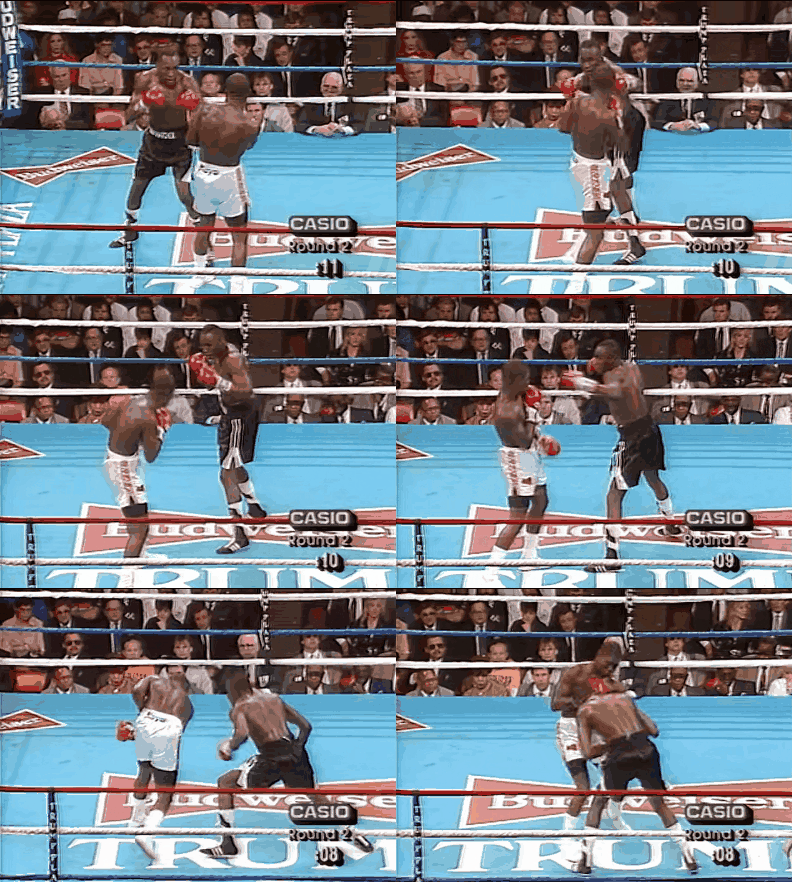
Here McCallum initiates the action in the same way, circling Toney with his jab, and Toney is able to step in and time the right hand across the top accurately.
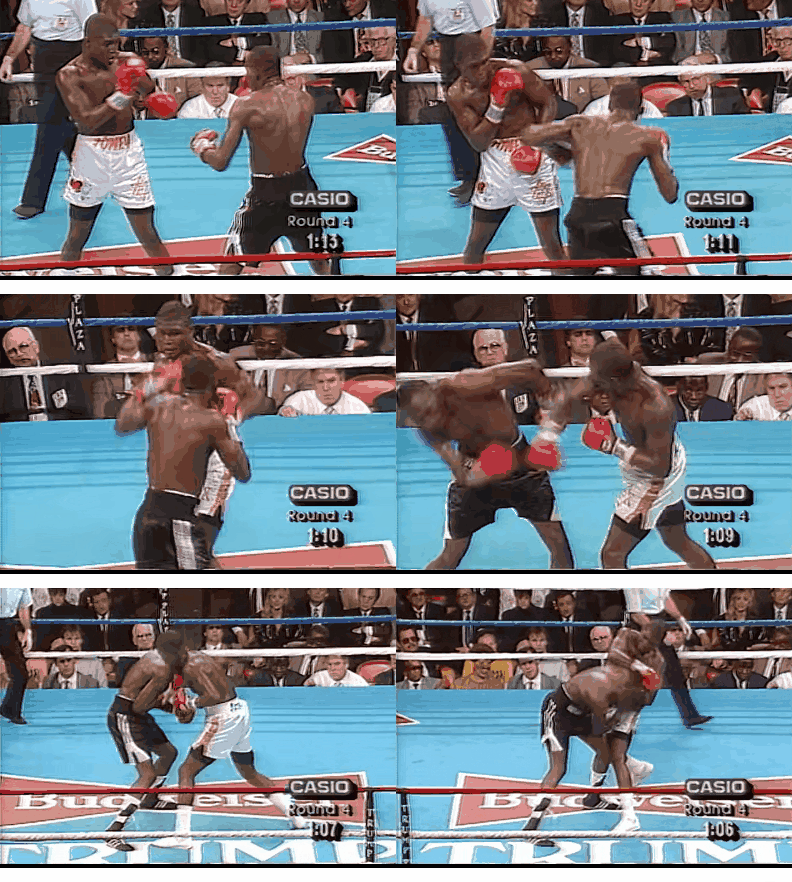
These examples serve to demonstrate the level of skill required from McCallum in each successful counter. His style was beautifully technical, but the buy-in was goading the opponent to try to hit him as hard as they could, exchange after exchange. Setting aside all skill, by probabilities it was impossible for him to get away from every one of these, and so there exists a great body of video evidence for McCallum having one of the most underappreciated chins of all time. McCallum had 250 amateur fights before he began his professional career, and in another 55 professional fights he was never knocked out.
No small part of this was the fact that McCallum was adept at rolling with punches, even when his structure was not in place take the blow on his shoulder.
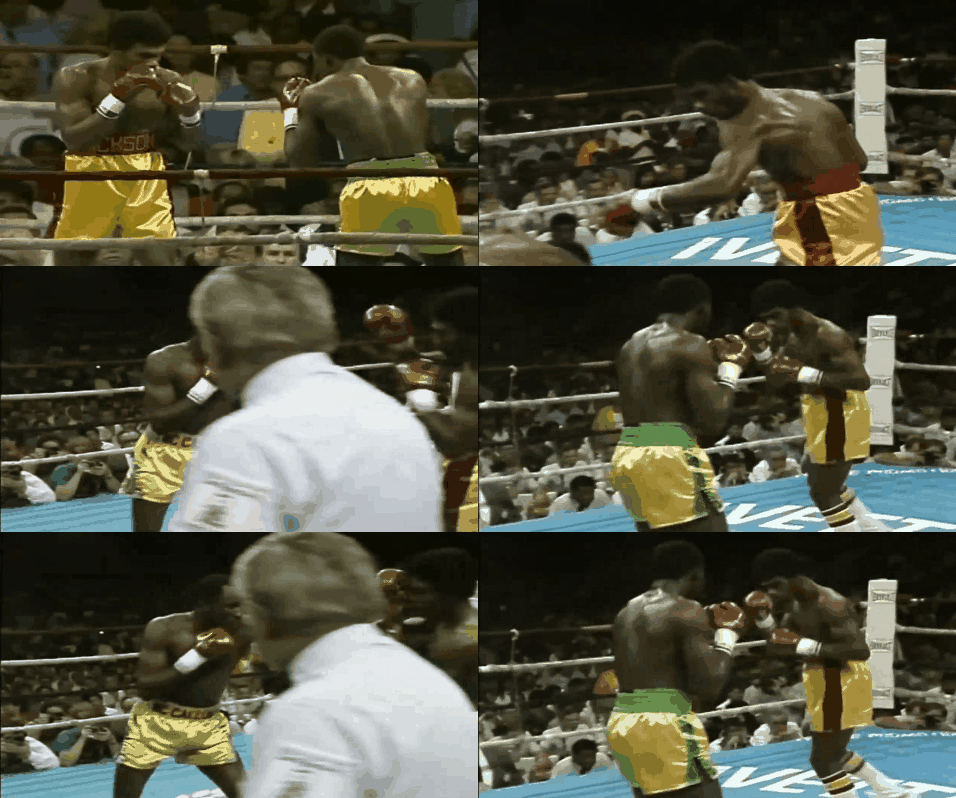
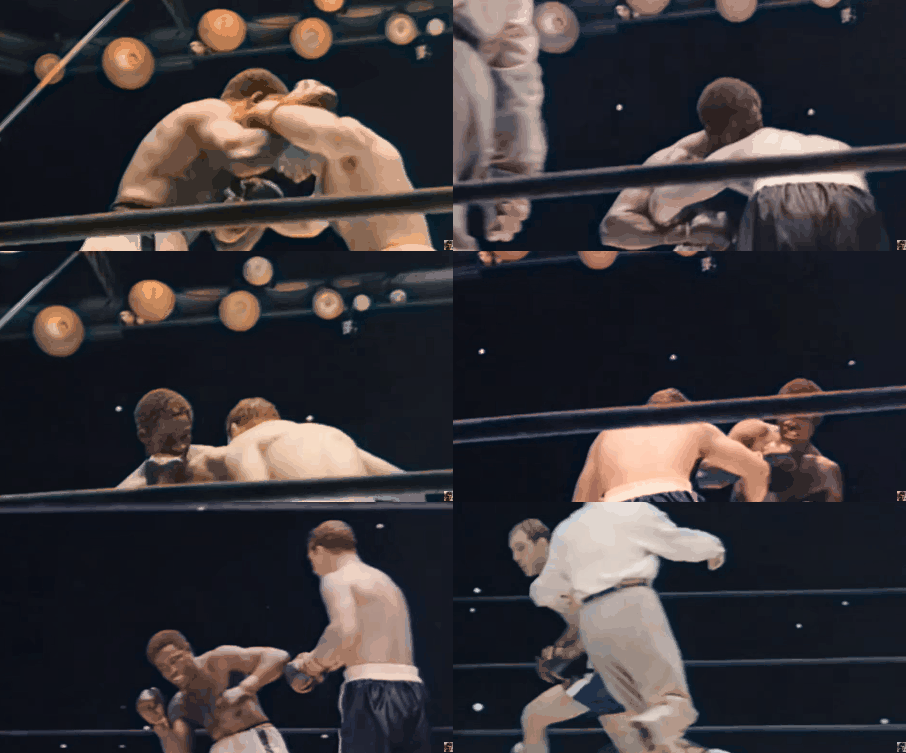
Unlike James Toney, Julian Jackson was a colossal hitter off both sides, and every missed right hand he pitched was followed by an equally dangerous left hook. McCallum routinely weaved off his counter right hand, but Jackson successfully punished this habit a couple of times by pivoting and throwing his right hand out to ten o’clock as McCallum came up.
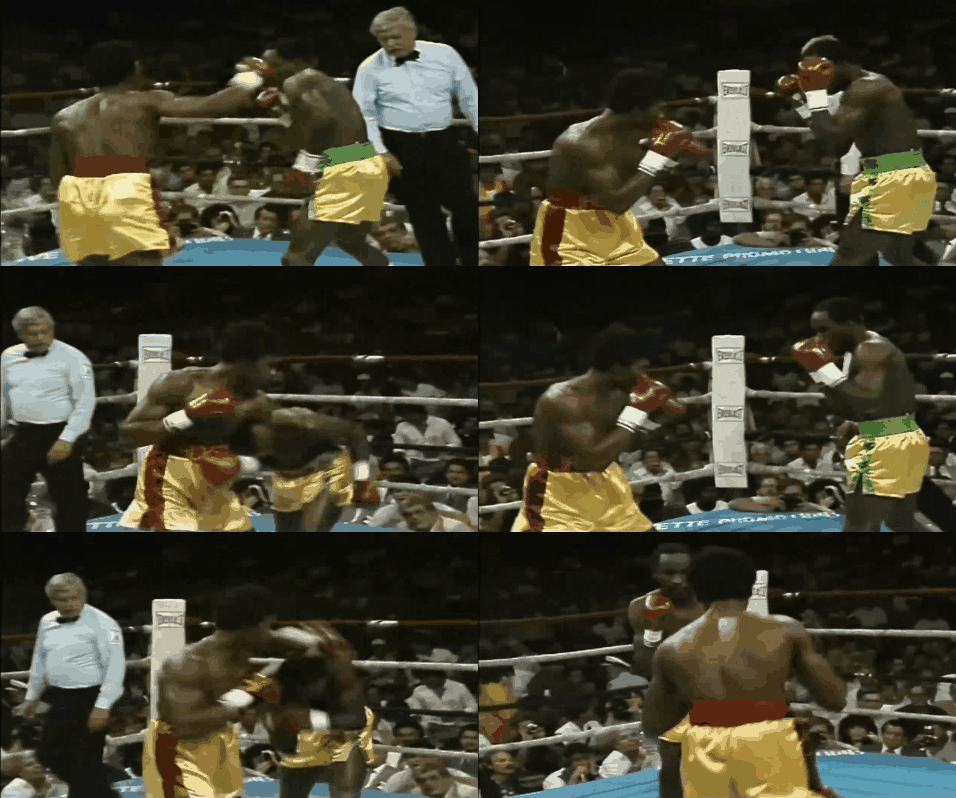
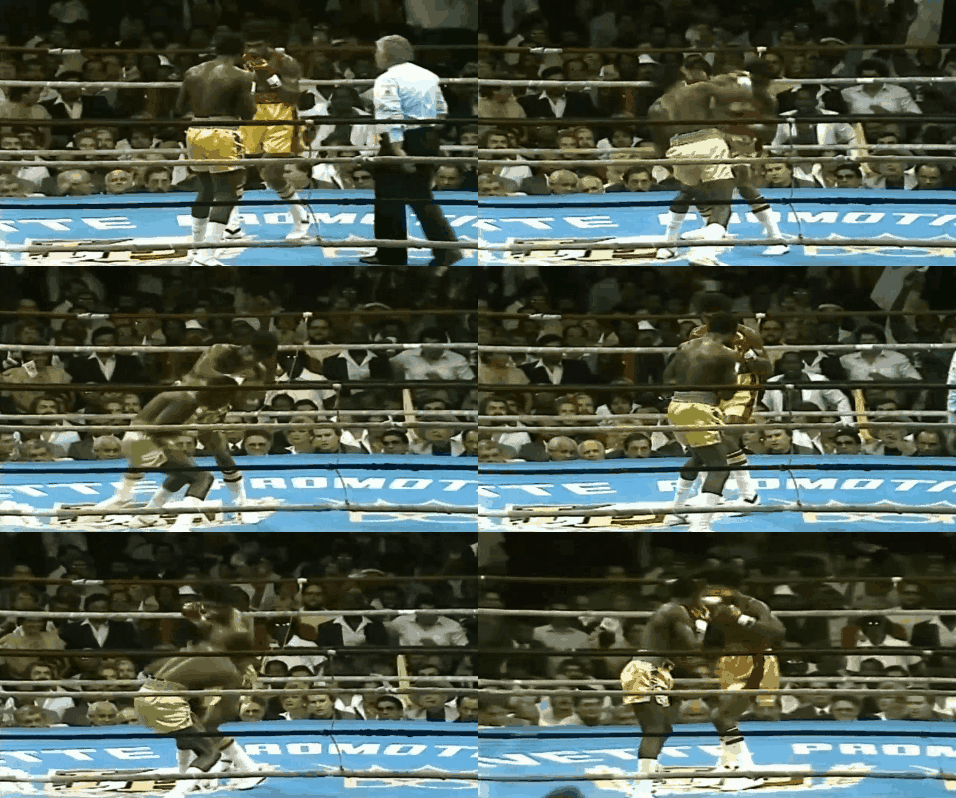
This particular counter-shot was one that Rocky Marciano landed to put down the great Ezzard Charles.
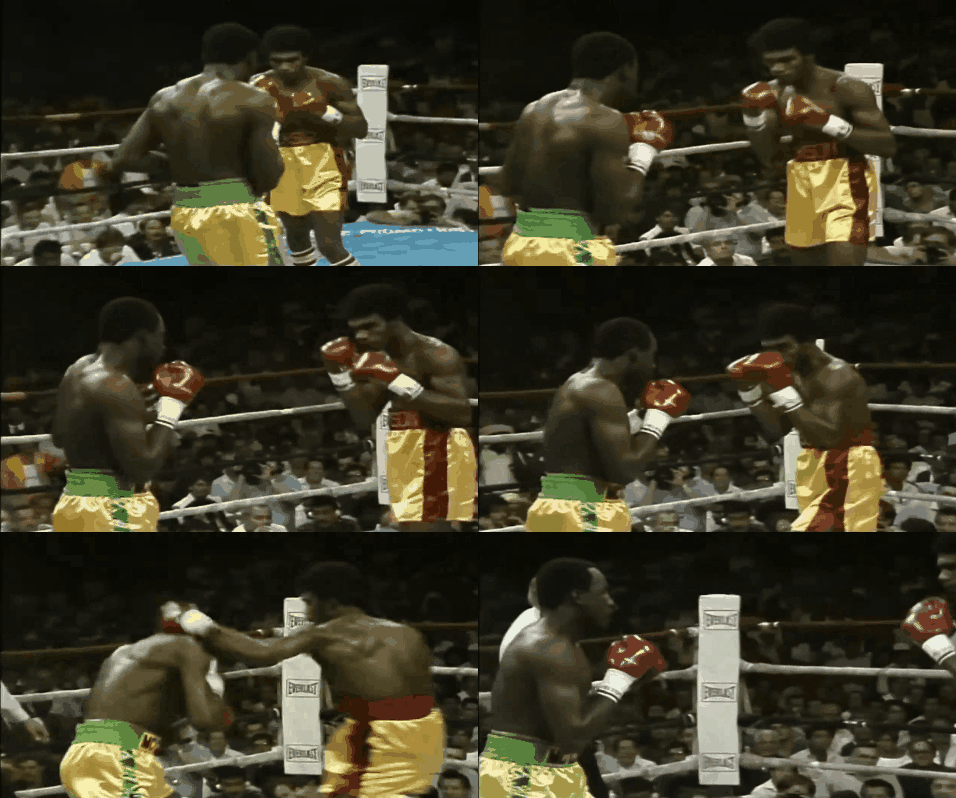
As McCallum continued to draw right hands out of Jackson, he showed some of his other counters. He brought out the classic outside slip and left hook to the liver.
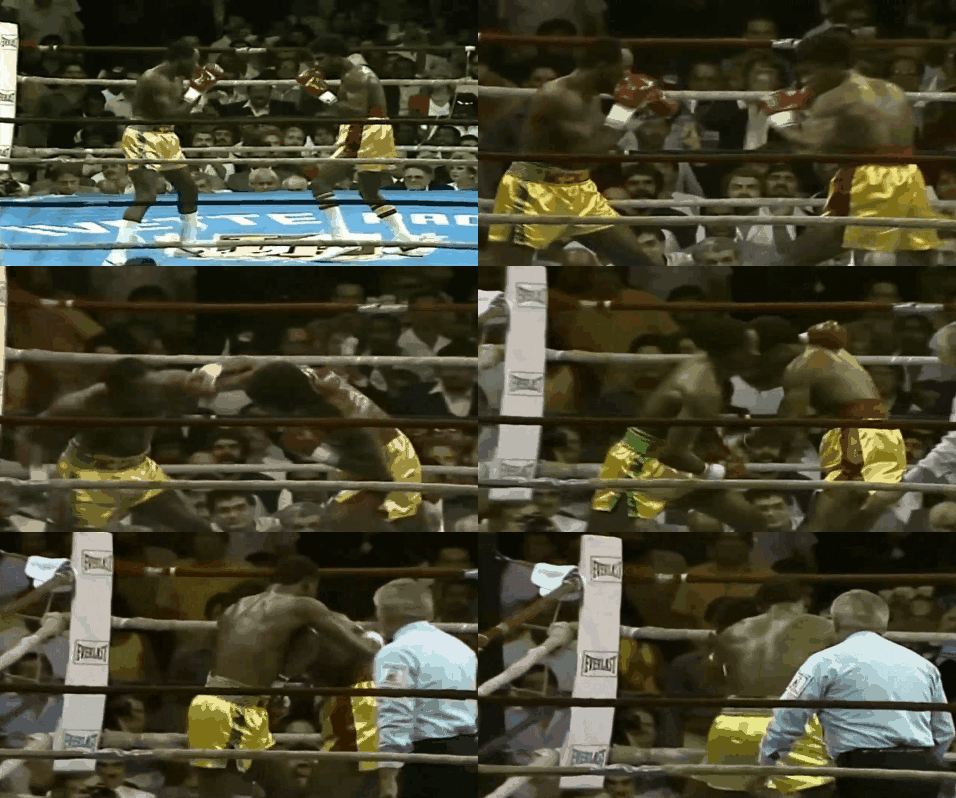
A final key tool was the leverage guard, which McCallum threw out as Jackson attempted to time his right hand across the top of McCallum’s jab. By extending his left arm over Jackson’s shoulder McCallum could stuff the blow at the upper arm, and then drop his glove onto the back of Jackson’s head as a collar tie, off which he scored his uppercut.
In the course of the one and a half rounds with Julian Jackson, McCallum drew and countered the right hand, jabbed Jackson when he stood still, and generally tore it up with the most dangerous hitter he had faced as a professional. This clip from just before the knockdown shows it all coming together: jabs, counters, weaves, leverage guard.
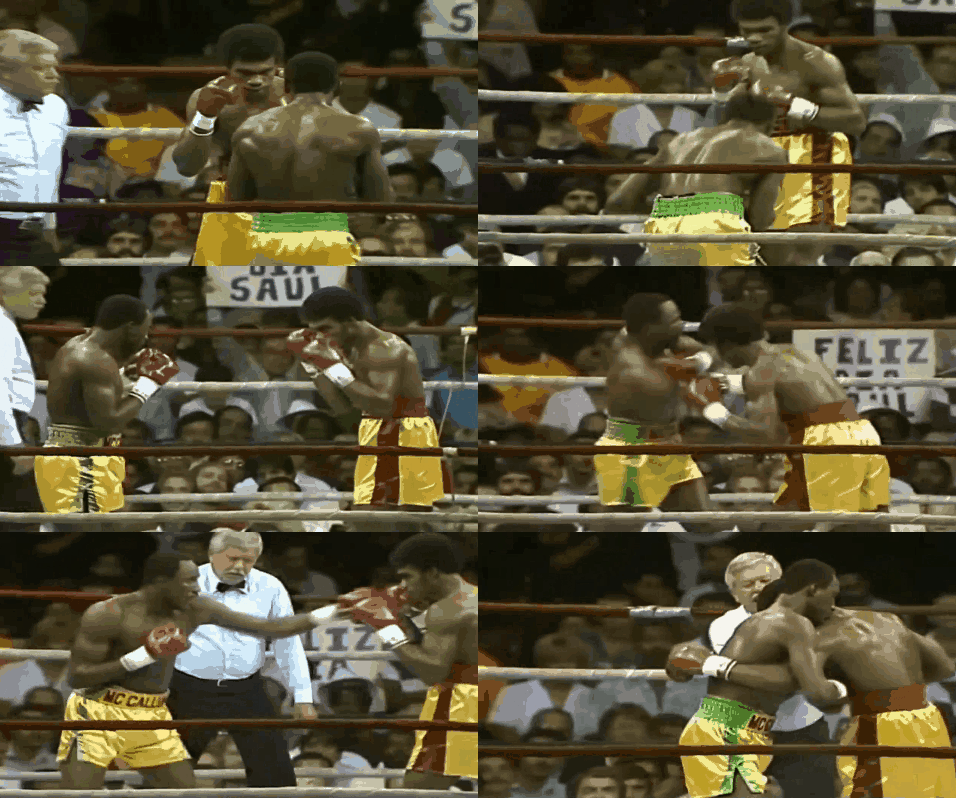
Jackson stood back for a moment and began to jab, which was not unusual for him as he was a competent boxer in addition to being a monstrous hitter. McCallum picked up on it quickly and a pull counter into a left hook sent Jackson to the mat.
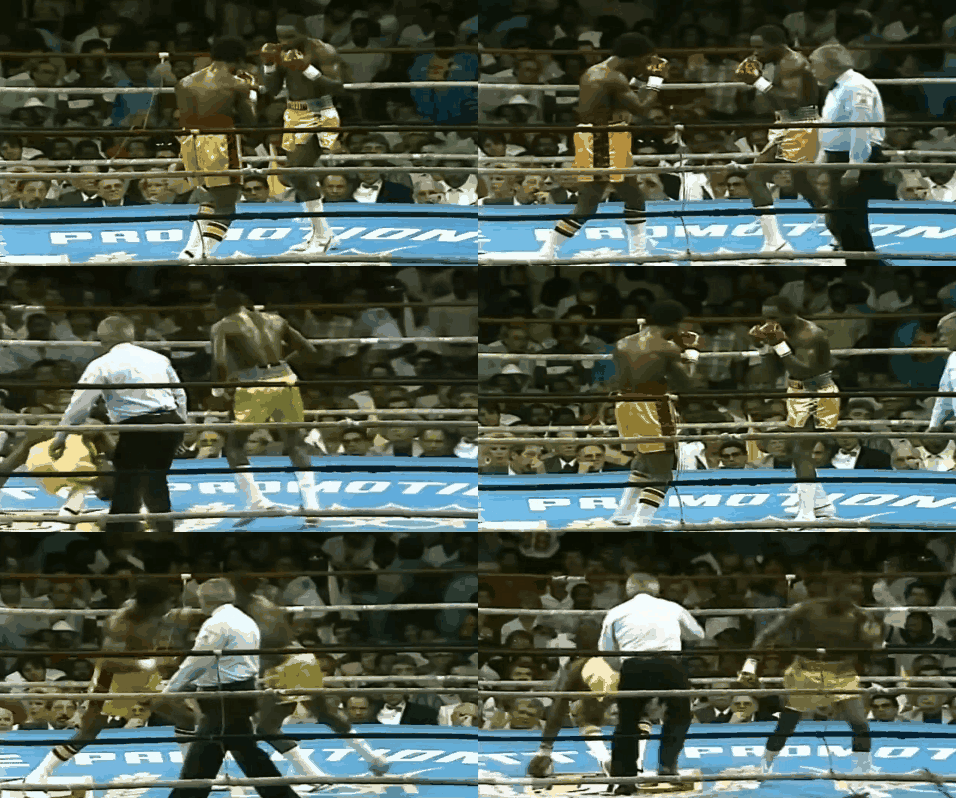
Changeups like this one show the importance of an amateur pedigree. Going to a tournament and having to work out at least one or two new opponents each time does wonders for a fighter’s ability to adapt. That can mean adapting their style, as McCallum did so masterfully, or simply making the mental adaptations to force their existing style to work. Guillermo Rigondeaux did not have a great many looks and his style stayed the same as the opponents changed, but his almost 500 amateur fights meant that even if he was losing it was never because of something unfamiliar, he had seen it all. When Jackson tried to stand back and box a bit, McCallum almost immediately switched up to tactics that would not have worked if Jackson was swinging the right hand to initiate every exchange.
After the knockdown, McCallum advanced to secure the finish, but pulled up short as Jackson’s back hit the ropes. The wounded tiger lashed out wildly with a right hand that bounced off McCallum’s shoulder. He swung back against the ropes and loaded another one, and this time as it came McCallum ducked beneath it and hit stole the wind from Jackson with a right hand to the midsection.
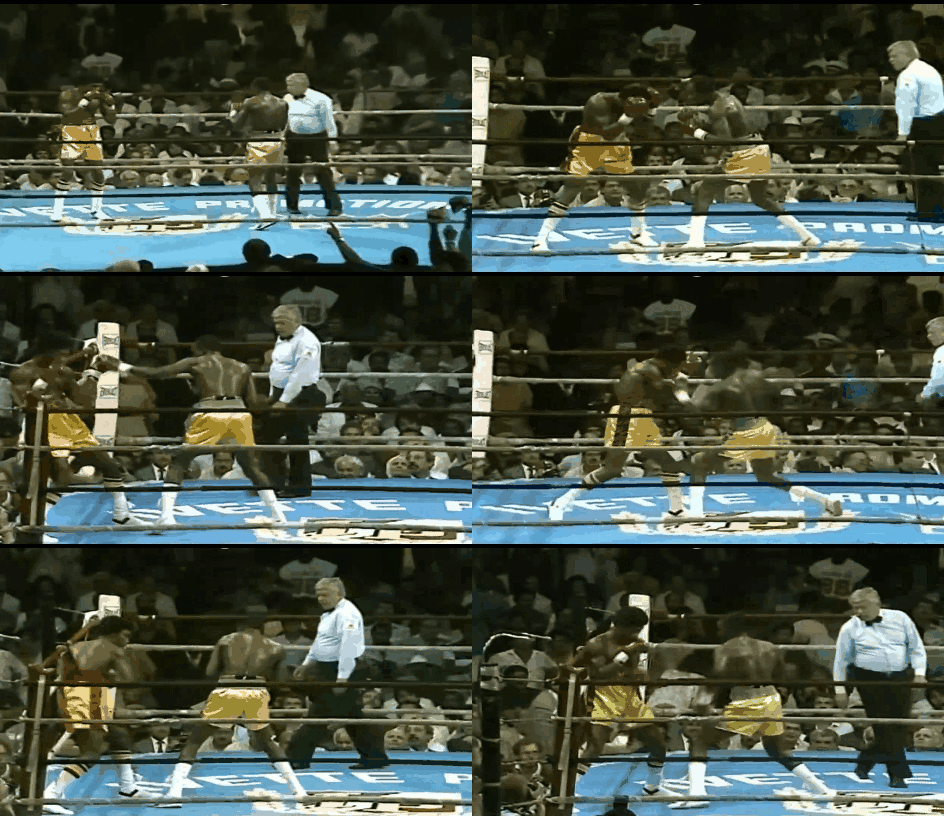
McCallum kept the pressure on Jackson along the ropes for another half a minute or so, not just ever-aware of the right hand but actively punishing Jackson for it every time he tried to swing his way out of trouble. It draws a stark contrast with Jackson’s fight against Herol Graham four years later. Graham started to take over the fight and Jackson, backing onto the ropes, delivered a right hand that left Graham stiff as a board.
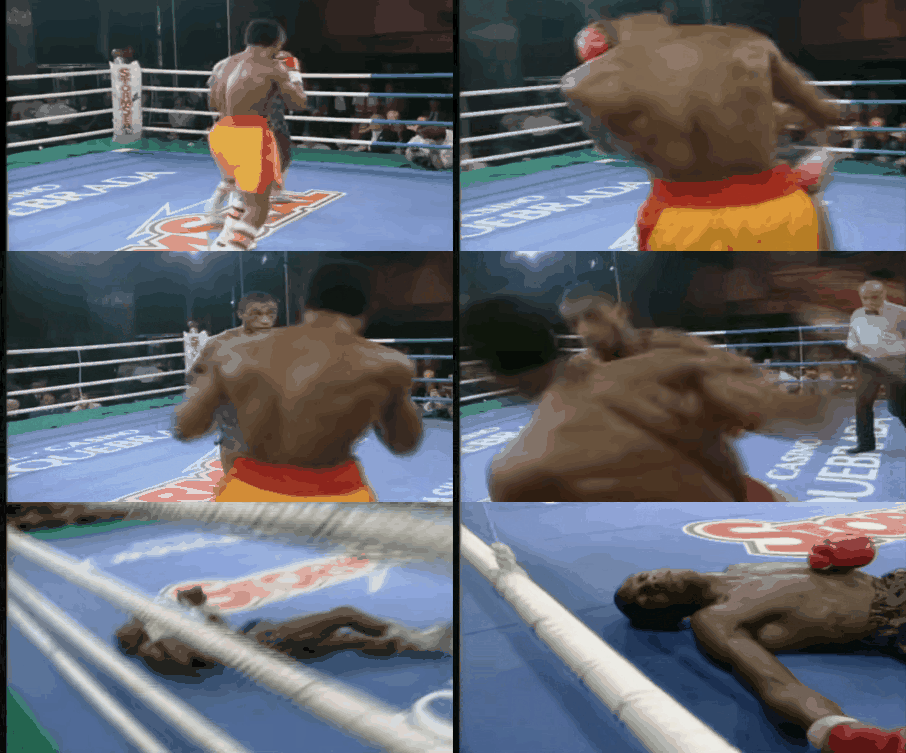
McCallum made no such mistake and put Jackson away just two minutes into the second round. In a career of impressive performances against good names, this ranks among McCallum’s best. It is made more impressive by the fact that it was not too early in Jackson’s career, and he would go undefeated and build his legacy through the next six years and 17 fights.
Most importantly, Mike McCallum versus Julian Jackson is a fight that shows a great fighter taking risks. The best counter punches only exist if the other guy thinks he can sell out on his punch, you cannot successfully counterpunch for damage while timidly jogging around the ring and flicking out jabs. McCallum walked the knife edge, drawing Jackson’s right hand and stepping into exchanges with him, but his tremendous timing and anticipation allowed him to make it look like a stroll through the park.